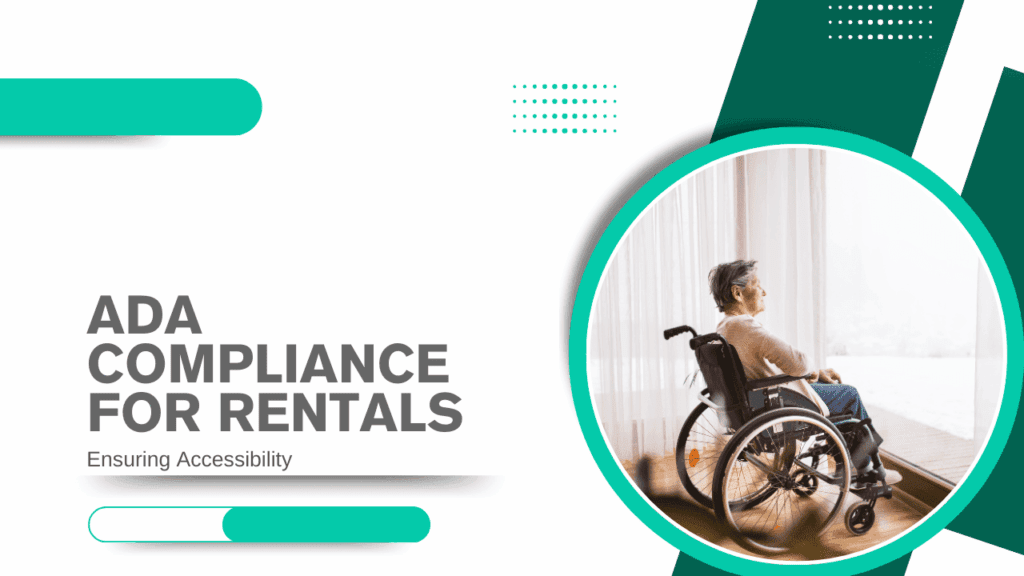
 Accessibility isn’t just a word that’s tossed around when we’re discussing fair housing compliance. It’s a legal requirement, and even more than that – it’s a moral responsibility. Landlords in Los Angeles need to make sure that anyone can rent their homes comfortably, including those who may be differently-abled. Ensuring your rental properties are ADA-compliant is not only about avoiding lawsuits but also about creating inclusive spaces where everyone, regardless of their abilities, feels welcome.
This is something we’re well-versed in, as Los Angeles property management experts. If you’re a landlord in LA, we are here to walk you through what ADA compliance is, its impact on your rental property, and steps to help you align with these essential requirements.
Understanding ADA Compliance
The Americans with Disabilities Act (ADA) is a federal law that prohibits discrimination against individuals with disabilities. For rental property owners, ADA compliance means ensuring that your property is accessible and usable for people with disabilities. This applies primarily if your property is an apartment building or multi-family rental or includes public spaces, such as a leasing office or other shared facilities.
While traditional single-family rental properties may not need to follow ADA guidelines, multi-family properties with public amenities and features such as parking lots, swimming pools, or reception areas are required to comply.
If you’re unsure whether ADA requirements apply to your property, consider consulting legal professionals or experts specializing in accessibility compliance. Talk to us at Earnest Homes, too, and we’ll advise you on what’s required and what might simply be a best practice.
Why is ADA Compliance Important for Los Angeles Landlords?
You want to simplify your compliance and make it a part of your rental operations. Here’s why and how.
- Legal Protection
Noncompliance can result in costly lawsuits, fines, and penalties. Staying compliant isn’t just the right thing to do—it will protect your business. Legal compliance is essential, and while California is well-known for its strict rental laws and protections, this is a federal mandate that cannot and should not be avoided.
- Enhanced Marketability
Properties that are ADA-compliant appeal to a broader audience, including tenants with disabilities and their families. Accessibility is a valuable selling point, and it creates a larger tenant pool for owners seeking well-qualified residents for their properties.
- Community Reputation
Showing a commitment to accessibility reflects positively on you as a landlord and local business owner. It’s about building trust and making your property a benchmark for inclusivity in the community. Set a good example and display leadership.
Conduct a Comprehensive Assessment
The first step in ensuring your property is ADA compliant is to conduct a comprehensive assessment. It’s important to understand your starting point. Maybe there are already some accessibility features in place. Before diving into major renovations and rehab projects, we want to get an idea of what’s really needed. A detailed assessment of the investment property will help identify areas that need improvement and attention. Some things will be obvious; a lack of ramps or grab bars, for example, are clear indications of where an effort will be needed.
Prioritize Key Areas for Accessibility
Once the assessment is complete, rental property owners can determine where to start. What needs the most attention right away in order to ensure accessibility? Smart investors will want to focus on areas that significantly impact accessibility, such as:
- Doorways. Widen doorways so that they stretch at least 32 inches. This is the required doorway width to accommodate wheelchairs, walkers, and other assistive devices.
- Invest in Bathroom Modifications. Showers may need to have grab bars installed, and sink heights may need to be adjusted. Showers are also going to need wheelchair-accessible entry in order to accommodate a tenant with a disability.
- Kitchen Adjustments. People using wheelchairs will need lower countertops. Appliances need to be within reach for individuals using wheelchairs.
Think of complying with ADA rules as an ongoing part of renting out a property. Accessibility is not a change that is made once. Instead, it’s a continual commitment. Be prepared to make updates as necessary to accommodate changing guidelines and tenant needs.
Implement Technology Solutions for Accessibility
Technology is making it easier than ever to keep properties compliant with all ADA requirements and accessible to all tenants. Consider integrating technology to enhance accessibility. We can help in the following ways:
- Smart Home Features. It’s often a good idea to install voice-activated devices to help tenants control lighting, temperature, and security. Tenants across California are demanding smarter home tech in their rental homes already; making those upgrades and updates with accessibility in mind is a great way to maximize your ROI.
- Automated Doors. Like smart locks, automated doors can be a modern and tech-friendly benefit to any tenants. When you add automatic door openers to improve ease of access for residents with mobility issues, you are making the property especially appealing to all residents.
Consequences of Non-Compliance
 Failing to comply with ADA guidelines can have significant consequences, including substantial fines and legal fees stemming from lawsuits. For instance, federal penalties for a first-time ADA violation can cost landlords hundreds or even thousands of dollars depending on the severity.
More importantly, landlords who fail to ensure accessibility risk alienating potential tenants and damaging their professional reputation in the long term.
Investing in improved accessibility offers numerous benefits to LA rental property owners, including increased property value, reduced vacancy rates, and a better experience for tenants. We know we don’t have to sell anyone on the need to install accommodations and adapt to the needs of a tenant base that spans different levels of abilities. You know it’s the right thing to do, and we’re here to help.
Let’s start with an analysis of your property to determine where some extra accessibility features need to be made. We can talk about specific updates that might meet the needs of specific tenants, and we can also recommend upgrades that will benefit everyone interested in renting your property.
This isn’t something to navigate on your own. Let us help. Contact our team at Earnest Homes.
